-
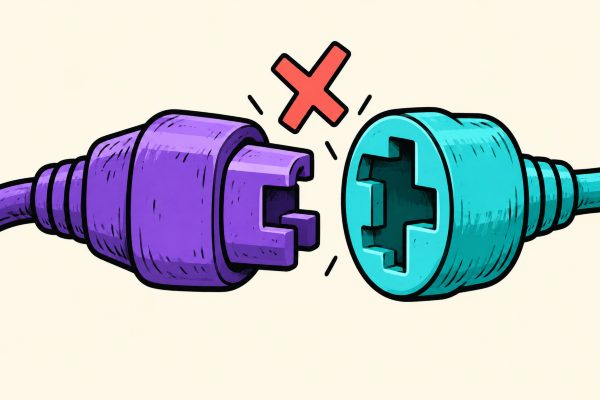
Why Can't Bech32m Be Mixed with Bech32?
Bech32m cannot be mixed with Bech32. The fundamental reason is that their checksum algorithms are incompatible, and Bitcoin address format rules require strict separation of encoding methods based on2 / October 27, 2026 -

Why Don't HD Wallets Use Hardened Derivation for All Addresses?
If all derivation were hardened, HD wallets would lose the ability to generate receiving addresses using only a public key — and that is exactly the feature modern wallets rely on most. Hardened deriv2 / October 27, 2026 -
APT Early Unlock Period Ends, But Token Issuance Continues
APT's early unlock period ended on October 12, 2026. It applied to the token vesting schedule for core contributors and early investors. Those tokens have now been fully released. But "unlock ended" o4 / October 27, 2026 -

Can World ID Prove the Person on Video Is Real?
What World ID can do in a Zoom scenario is narrower than "proving the person on the other side of the video is real," but also more specific than simple "human detection." It does not analyze the vide3 / October 27, 2026 -

Crypto Portfolio Risk Parity: How Should You Allocate Positions?
加密组合做风险平价,最直接的算法是逆波动率加权:先算出每个资产最近一段时间的波动率,然后按波动率的倒数分配权重。波动率高的资产权重低,波动率低的资产权重高。但这里有一个关键区别需要先讲清楚:逆波动率加权只是风险平价的一个简化版本,它假设资产之间的相关性相同或者忽略相关性。真正的风险平价需要考虑协方差矩阵,计算量更大,但在加密市场里,忽略相关性带来的偏差可能不小,因为加密资产之间的相关性往往在行情剧2 / October 27, 2026 -
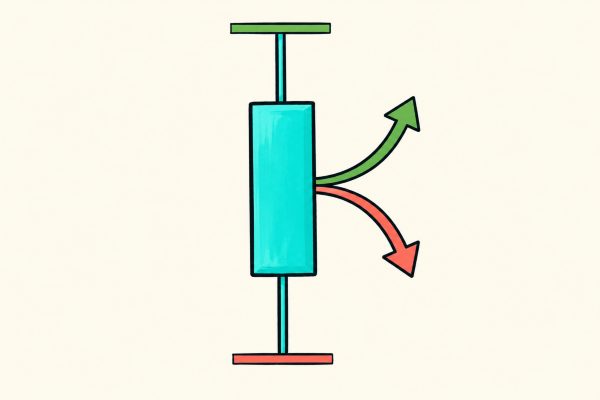
When a single candle hits both take profit and stop loss, how should backtesting handle it?
When a single candle touches both take profit and stop loss, there is no "objectively correct" answer in backtesting—only which assumption you choose to adopt. A candle only records four prices: open,2 / October 27, 2026 -

Binance Life Airdrop Questions Answered
If you are asking about the "Binance Life" airdrop, you need to separate two things: Binance has never officially issued an airdrop under the name of the "Binance Life" token. The airdrop information3 / October 27, 2026 -

How Much WETH Is Frozen by Multiple NFT Offers on OpenSea?
When you place multiple WETH offers on NFTs on OpenSea, your WETH balance is usually not frozen. Your WETH stays in your own wallet and can be used for other purposes at any time. But that does not me2 / October 27, 2026 -
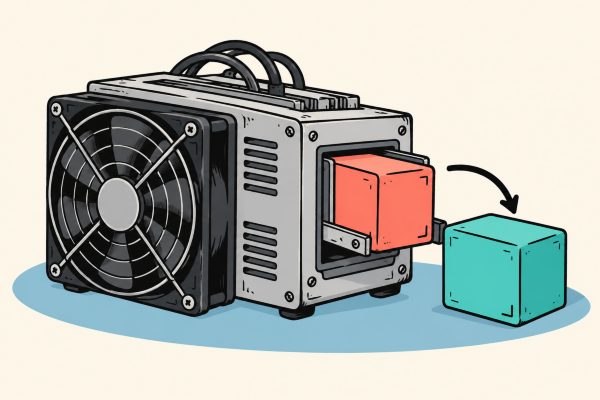
What Happens When Bitcoin Mining Runs Out of Nonces?
Bitcoin block headers contain a nonce field that is only 32 bits long, meaning it has just under 4.3 billion possible values. Modern ASIC miners can compute far more hashes per second than that, so ru8 / October 26, 2026 -
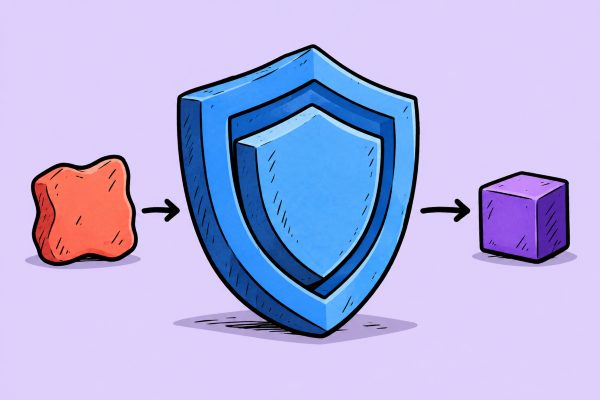
Does Bitcoin's Double SHA-256 Double the Security?
No. Bitcoin's double SHA-256 (SHA-256d) is not a design that "doubles" security. It mainly addresses one specific attack surface—length-extension attacks—rather than raising the difficulty of collisio8 / October 26, 2026 -

What Rights Do Zora Creator Coins Give Holders?
At the protocol level, Zora Creator Coins give holders almost exactly one right: the ability to sell them to someone else in a Uniswap V4 pool. They do not come with the creator's copyright, equity, f9 / October 26, 2026 -
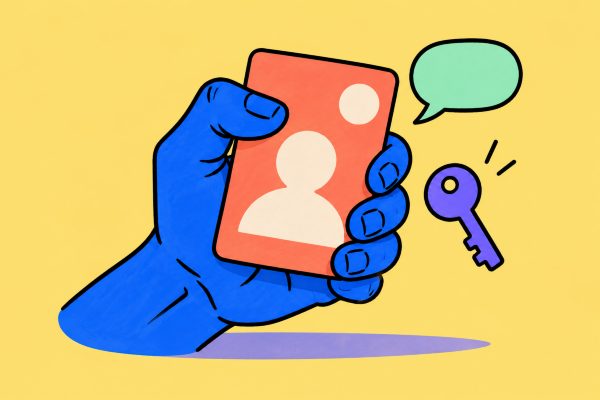
After Mask Takes Over Lens, Do Social Accounts Still Belong to Users?
After news spread that Mask is taking over Lens, the most immediate concern is: will my Lens account, my follow relationships, and my posted content be "handed over" along with management rights? Base10 / October 26, 2026 -
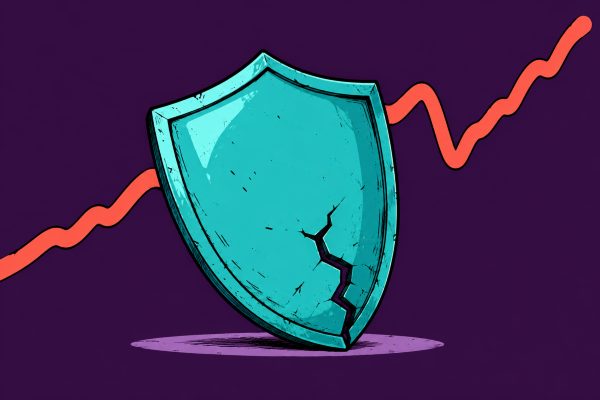
Does a High Calmar Ratio Mean a Strategy’s Drawdown Is Safer?
A high Calmar ratio does not automatically mean a strategy's drawdown is safer. It measures the ratio between historical maximum drawdown and annualized return, not the probability of drawdowns, their8 / October 26, 2026 -
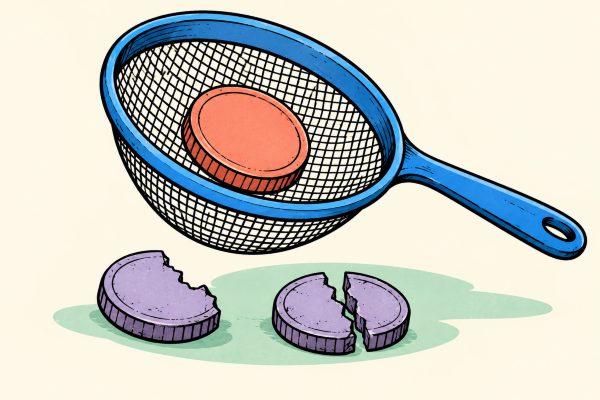
Does Backtesting Only Coins Still Trading Today Overstate Returns?
Yes, and the overstatement can be large. Backtesting only coins that still trade today means you are systematically deleting from your sample the coins that went to zero, got delisted, or lost liquidi7 / October 26, 2026 -
Safe Multisig Transaction No Longer Wanted? How to Truly Cancel It
In Safe multisig, clicking "Delete" or "Reject" does not mean the transaction is truly cancelled. Safe's official documentation makes this very clear: removing a transaction from the queue is only an8 / October 26, 2026 -

Grabbing an Expired .eth Domain? Calculate the Price Cooldown First
When you try to register an expired .eth domain, the Price Cooldown is a cost you cannot ignore. This premium starts at $100 million and decays exponentially to 0 over 21 days. It is not a small amoun16 / October 26, 2026


Cryptocurrency for Beginners
The content of this article is only for information sharing and does not constitute any form of opinions or suggestions. We do not make any statements, warranties or commitments. Any actions you engage in are strictly at your own risk.